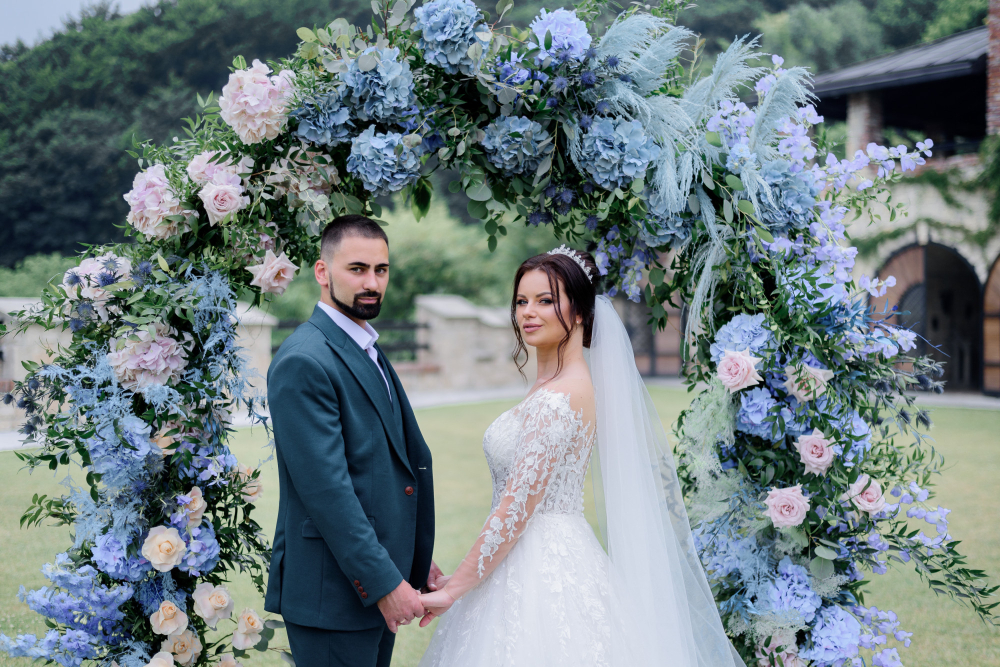
Wedding & Social Events – Creating Memorable Moments
Introduction
Planning an event is more than just choosing a venue and sending invitations. It requires careful strategy, creativity, budgeting, coordination, and execution. Whether it’s a corporate conference, wedding, birthday party, or product launch, every successful event is built on strong planning and attention to detail. A professionally managed event not only runs smoothly but also creates a lasting impression on guests.
Defining the Purpose of the Event
Every successful event begins with a clear goal. Understanding the purpose helps shape every decision moving forward.
For example:
- Corporate event → networking, branding, or training
- Wedding → celebration and personal storytelling
- Product launch → marketing and awareness
- Private party → entertainment and social bonding
When the objective is clear, decisions about venue, budget, theme, and activities become easier and more focused.
Budget Planning and Financial Control
Budget is one of the most important parts of event planning. A well-structured budget prevents overspending and ensures resources are used wisely.
Key expenses usually include:
- Venue rental
- Catering services
- Decoration and design
- Entertainment
- Photography and videography
- Technical equipment
- Staffing and logistics
Professional event planners track every expense and provide cost-effective solutions without compromising quality.
Venue Selection and Logistics
Choosing the right venue sets the tone for the entire event. Factors to consider include:
- Accessibility and location
- Capacity and seating arrangements
- Lighting and sound facilities
- Parking and transportation
- Weather considerations (for outdoor events)
Proper logistical planning ensures smooth operations—from guest arrival to event completion.
Creative Design and Theme Development
A well-planned theme creates emotional engagement and visual appeal. The decoration, lighting, color palette, and stage design should align with the event’s purpose and audience. Creativity makes an event memorable and unique.
Event Execution and On-Site Management
On the day of the event, coordination is key. A professional event management team handles:
- Guest reception
- Vendor coordination
- Timeline management
- Technical setup
- Problem solving
This ensures everything runs smoothly while the host focuses on enjoying the event.
Conclusion
A successful event is the result of detailed planning, teamwork, and professional execution. With the right event management partner, any idea can be transformed into an unforgettable experience.
Weddings and social events are once-in-a-lifetime celebrations that deserve flawless planning and execution.
Theme & Decoration
Choosing the right theme, colors, and decoration creates a magical atmosphere.
Vendor Coordination
Managing photographers, caterers, decorators, and entertainment ensures everything happens on schedule.
Guest Management
Welcoming guests, managing seating, and ensuring comfort create a positive experience for everyone.
Entertainment & Engagement
Music, performances, and interactive activities keep guests entertained throughout the event.
Conclusion
Professional event planning transforms special occasions into unforgettable memories filled with joy and celebration.